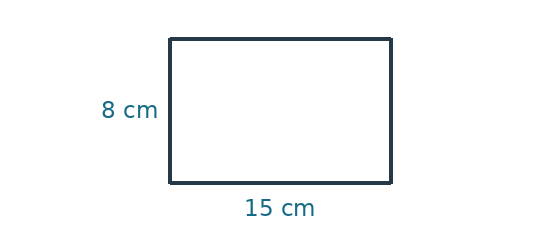
1. A rectangle has length 15 cm and width 8 cm. Find its perimeter (cm).
A 23 B 120 C 46 D 38
Answer: C) 46
2. A rectangle has length 8 cm and width 4 cm. Find its perimeter (cm).
A 20 B 24 C 12 D 32
Answer: B) 24
3. A rectangle has length 12 cm and width 5 cm. Find its perimeter (cm).
A 34 B 60 C 29 D 17
Answer: A) 34
4. A rectangle has length 17 cm and width 9 cm. Find its perimeter (cm).
A 26 B 43 C 52 D 153
Answer: C) 52
5. A rectangle has length 14 cm and width 5 cm. Find its perimeter (cm).
A 70 B 38 C 33 D 19
Answer: B) 38
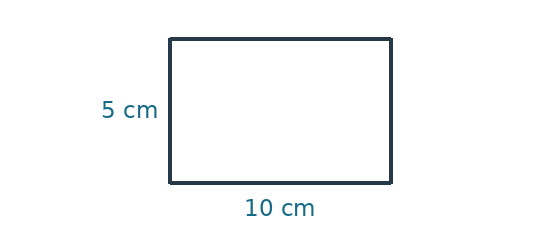
6. A rectangle has length 10 cm and width 5 cm. Find its perimeter (cm).
A 30 B 50 C 15 D 25
Answer: A) 30
7. A rectangle has length 14 cm and width 6 cm. Find its perimeter (cm).
A 84 B 40 C 20 D 34
Answer: B) 40
8. A rectangle has length 9 cm and width 4 cm. Find its perimeter (cm).
A 22 B 13 C 36 D 26
Answer: D) 26
9. A rectangle has length 15 cm and width 6 cm. Find its perimeter (cm).
A 42 B 90 C 36 D 21
Answer: A) 42
10. A rectangle has length 11 cm and width 5 cm. Find its perimeter (cm).
A 55 B 27 C 16 D 32
Answer: D) 32
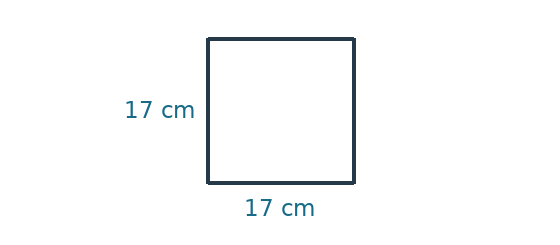
11. A square has side 17 cm. Find its area (cm²).
A 4913 B 34 C 68 D 289
Answer: D) 289
12. A square has side 12 cm. Find its area (cm²).
A 48 B 144 C 24 D 1728
Answer: B) 144
13. A square has side 5 cm. Find its area (cm²).
A 10 B 20 C 25 D 125
Answer: C) 25
14. A square has side 6 cm. Find its area (cm²).
A 36 B 216 C 12 D 24
Answer: A) 36
15. A square has side 10 cm. Find its area (cm²).
A 1000 B 20 C 40 D 100
Answer: D) 100
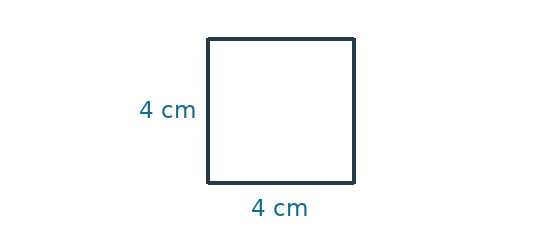
16. A square has side 4 cm. Find its area (cm²).
A 16 B 64 C 8 D 18
Answer: A) 16
17. A square has side 11 cm. Find its area (cm²).
A 44 B 22 C 121 D 1331
Answer: C) 121
18. A square has side 9 cm. Find its area (cm²).
A 36 B 18 C 81 D 729
Answer: C) 81
19. A square has side 15 cm. Find its area (cm²).
A 225 B 30 C 60 D 3375
Answer: A) 225
20. A square has side 13 cm. Find its area (cm²).
A 2197 B 52 C 26 D 169
Answer: D) 169
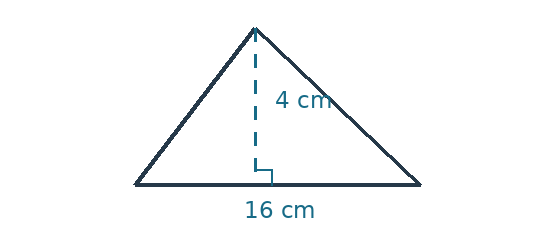
21. A triangle has base 16 cm and perpendicular height 4 cm. Find its area (cm²).
A 12 B 32 C 64 D 20
Answer: B) 32
22. A triangle has base 18 cm and perpendicular height 15 cm. Find its area (cm²).
A 24 B 270 C 135 D 33
Answer: C) 135
23. A triangle has base 18 cm and perpendicular height 7 cm. Find its area (cm²).
A 63 B 25 C 16 D 126
Answer: A) 63
24. A triangle has base 6 cm and perpendicular height 16 cm. Find its area (cm²).
A 19 B 22 C 48 D 96
Answer: C) 48
25. A triangle has base 14 cm and perpendicular height 15 cm. Find its area (cm²).
A 29 B 105 C 22 D 210
Answer: B) 105
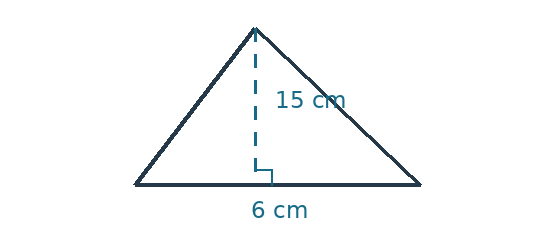
26. A triangle has base 6 cm and perpendicular height 15 cm. Find its area (cm²).
A 90 B 45 C 21 D 18
Answer: B) 45
27. A triangle has base 16 cm and perpendicular height 9 cm. Find its area (cm²).
A 25 B 144 C 17 D 72
Answer: D) 72
28. A triangle has base 12 cm and perpendicular height 15 cm. Find its area (cm²).
A 21 B 180 C 90 D 27
Answer: C) 90
29. A triangle has base 14 cm and perpendicular height 8 cm. Find its area (cm²).
A 22 B 56 C 112 D 15
Answer: B) 56
30. A triangle has base 8 cm and perpendicular height 7 cm. Find its area (cm²).
A 11 B 15 C 56 D 28
Answer: D) 28
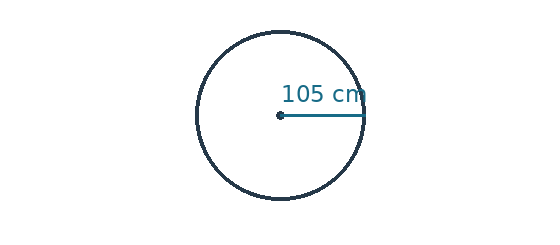
31. A circle has radius 105 cm. Find its circumference (cm). Use π = 22/7.
A 330 B 660 C 210 D 34650
Answer: B) 660
32. A circle has radius 91 cm. Find its circumference (cm). Use π = 22/7.
A 182 B 26026 C 286 D 572
Answer: D) 572
33. A circle has radius 28 cm. Find its circumference (cm). Use π = 22/7.
A 176 B 56 C 2464 D 88
Answer: A) 176
34. A circle has radius 77 cm. Find its circumference (cm). Use π = 22/7.
A 18634 B 242 C 484 D 154
Answer: C) 484
35. A circle has radius 42 cm. Find its circumference (cm). Use π = 22/7.
A 5544 B 264 C 132 D 84
Answer: B) 264
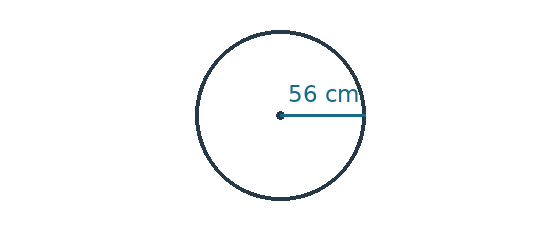
36. A circle has radius 56 cm. Find its circumference (cm). Use π = 22/7.
A 112 B 176 C 9856 D 352
Answer: D) 352
37. A circle has radius 70 cm. Find its circumference (cm). Use π = 22/7.
A 15400 B 440 C 140 D 220
Answer: B) 440
38. A circle has radius 49 cm. Find its circumference (cm). Use π = 22/7.
A 308 B 154 C 98 D 7546
Answer: A) 308
39. A circle has radius 35 cm. Find its circumference (cm). Use π = 22/7.
A 220 B 110 C 70 D 3850
Answer: A) 220
40. A circle has radius 14 cm. Find its circumference (cm). Use π = 22/7.
A 88 B 616 C 28 D 44
Answer: A) 88
41. A circle has diameter 56 cm. Find its area (cm²). Use π = 22/7.
A 9856 B 2464 C 176 D 784
Answer: B) 2464
42. A circle has diameter 224 cm. Find its area (cm²). Use π = 22/7.
A 12544 B 39424 C 157696 D 704
Answer: B) 39424
43. A circle has diameter 42 cm. Find its area (cm²). Use π = 22/7.
A 5544 B 441 C 1386 D 132
Answer: C) 1386
44. A circle has diameter 210 cm. Find its area (cm²). Use π = 22/7.
A 660 B 34650 C 11025 D 138600
Answer: B) 34650
45. A circle has diameter 154 cm. Find its area (cm²). Use π = 22/7.
A 74536 B 18634 C 484 D 5929
Answer: B) 18634
46. A circle has diameter 182 cm. Find its area (cm²). Use π = 22/7.
A 104104 B 8281 C 572 D 26026
Answer: D) 26026
47. A circle has diameter 140 cm. Find its area (cm²). Use π = 22/7.
A 4900 B 15400 C 440 D 61600
Answer: B) 15400
48. A circle has diameter 70 cm. Find its area (cm²). Use π = 22/7.
A 220 B 3850 C 1225 D 15400
Answer: B) 3850
49. A circle has diameter 196 cm. Find its area (cm²). Use π = 22/7.
A 616 B 9604 C 30184 D 120736
Answer: C) 30184
50. A circle has diameter 98 cm. Find its area (cm²). Use π = 22/7.
A 7546 B 30184 C 2401 D 308
Answer: A) 7546
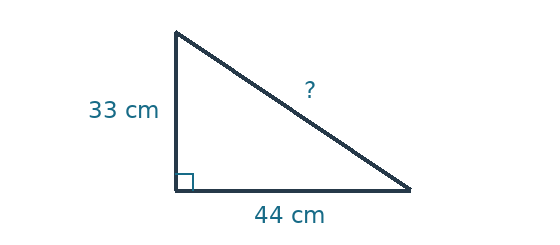
51. A right-angled triangle has perpendicular sides 33 cm and 44 cm. Find the hypotenuse (cm).
A 55 B 11 C 132 D 77
Answer: A) 55
52. A right-angled triangle has perpendicular sides 6 cm and 8 cm. Find the hypotenuse (cm).
A 10 B 14 C 24 D 2
Answer: A) 10
53. A right-angled triangle has perpendicular sides 21 cm and 28 cm. Find the hypotenuse (cm).
A 84 B 7 C 35 D 49
Answer: C) 35
54. A right-angled triangle has perpendicular sides 9 cm and 12 cm. Find the hypotenuse (cm).
A 21 B 3 C 36 D 15
Answer: D) 15
55. A right-angled triangle has perpendicular sides 36 cm and 48 cm. Find the hypotenuse (cm).
A 12 B 84 C 60 D 144
Answer: C) 60
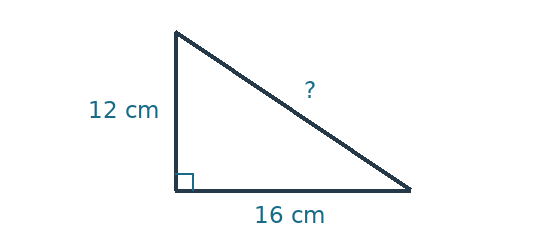
56. A right-angled triangle has perpendicular sides 12 cm and 16 cm. Find the hypotenuse (cm).
A 48 B 20 C 28 D 4
Answer: B) 20
57. A right-angled triangle has perpendicular sides 24 cm and 32 cm. Find the hypotenuse (cm).
A 96 B 56 C 8 D 40
Answer: D) 40
58. A right-angled triangle has perpendicular sides 18 cm and 24 cm. Find the hypotenuse (cm).
A 72 B 42 C 6 D 30
Answer: D) 30
59. A right-angled triangle has perpendicular sides 15 cm and 20 cm. Find the hypotenuse (cm).
A 60 B 35 C 25 D 5
Answer: C) 25
60. A right-angled triangle has perpendicular sides 27 cm and 36 cm. Find the hypotenuse (cm).
A 108 B 9 C 45 D 63
Answer: C) 45
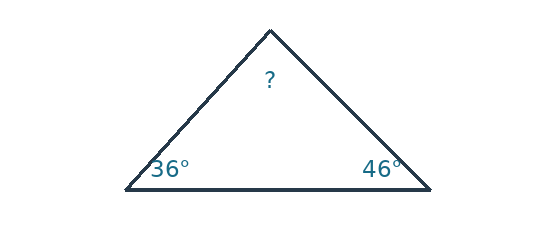
61. Two angles of a triangle are 36° and 46°. Find the third angle in degrees.
A 144 B 82 C 134 D 98
Answer: D) 98
62. Two angles of a triangle are 25° and 51°. Find the third angle in degrees.
A 76 B 129 C 155 D 104
Answer: D) 104
63. Two angles of a triangle are 69° and 36°. Find the third angle in degrees.
A 144 B 75 C 105 D 111
Answer: B) 75
64. Two angles of a triangle are 56° and 43°. Find the third angle in degrees.
A 99 B 137 C 81 D 124
Answer: C) 81
65. Two angles of a triangle are 59° and 84°. Find the third angle in degrees.
A 121 B 37 C 143 D 96
Answer: B) 37
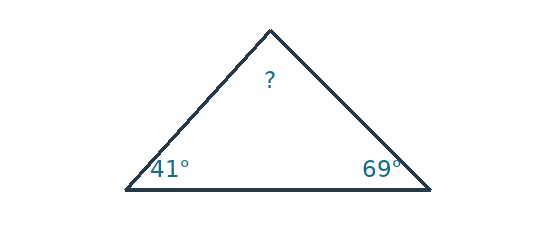
66. Two angles of a triangle are 41° and 69°. Find the third angle in degrees.
A 111 B 110 C 70 D 139
Answer: C) 70
67. Two angles of a triangle are 58° and 59°. Find the third angle in degrees.
A 117 B 122 C 121 D 63
Answer: D) 63
68. Two angles of a triangle are 39° and 60°. Find the third angle in degrees.
A 99 B 81 C 120 D 141
Answer: B) 81
69. Two angles of a triangle are 49° and 58°. Find the third angle in degrees.
A 73 B 131 C 107 D 122
Answer: A) 73
70. Two angles of a triangle are 56° and 62°. Find the third angle in degrees.
A 62 B 124 C 70 D 118
Answer: A) 62
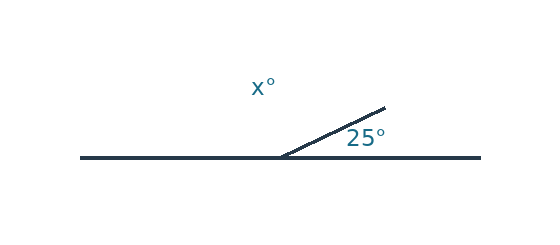
71. Two adjacent angles on a straight line are 25° and x°. Find x.
A 335 B 25 C 155 D 65
Answer: C) 155
72. Two adjacent angles on a straight line are 57° and x°. Find x.
A 33 B 123 C 303 D 57
Answer: B) 123
73. Two adjacent angles on a straight line are 132° and x°. Find x.
A -42 B 132 C 48 D 228
Answer: C) 48
74. Two adjacent angles on a straight line are 71° and x°. Find x.
A 289 B 109 C 71 D 19
Answer: B) 109
75. Two adjacent angles on a straight line are 77° and x°. Find x.
A 283 B 13 C 77 D 103
Answer: D) 103
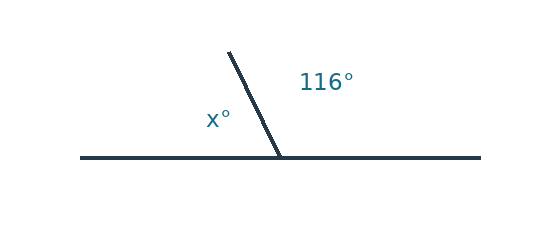
76. Two adjacent angles on a straight line are 116° and x°. Find x.
A 64 B 244 C -26 D 116
Answer: A) 64
77. Two adjacent angles on a straight line are 119° and x°. Find x.
A 119 B 61 C -29 D 241
Answer: B) 61
78. Two adjacent angles on a straight line are 26° and x°. Find x.
A 26 B 64 C 154 D 334
Answer: C) 154
79. Two adjacent angles on a straight line are 28° and x°. Find x.
A 62 B 28 C 152 D 332
Answer: C) 152
80. Two adjacent angles on a straight line are 55° and x°. Find x.
A 35 B 125 C 55 D 305
Answer: B) 125
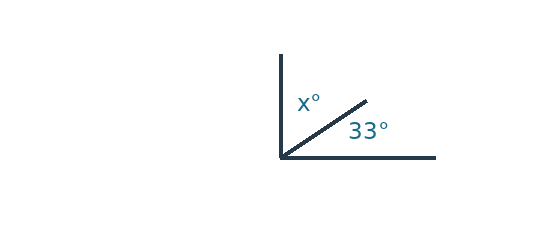
81. Two complementary angles are 33° and x°. Find x.
A 147 B 57 C 33 D 123
Answer: B) 57
82. Two complementary angles are 39° and x°. Find x.
A 141 B 129 C 51 D 39
Answer: C) 51
83. Two complementary angles are 40° and x°. Find x.
A 40 B 140 C 130 D 50
Answer: D) 50
84. Two complementary angles are 22° and x°. Find x.
A 112 B 22 C 68 D 158
Answer: C) 68
85. Two complementary angles are 17° and x°. Find x.
A 163 B 17 C 107 D 73
Answer: D) 73
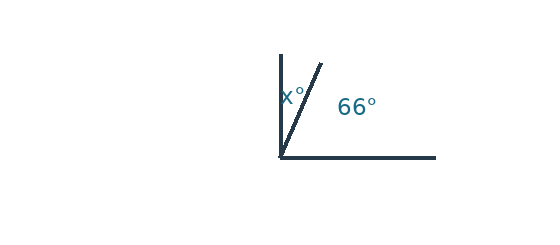
86. Two complementary angles are 66° and x°. Find x.
A 156 B 114 C 24 D 66
Answer: C) 24
87. Two complementary angles are 16° and x°. Find x.
A 74 B 106 C 164 D 16
Answer: A) 74
88. Two complementary angles are 65° and x°. Find x.
A 65 B 115 C 155 D 25
Answer: D) 25
89. Two complementary angles are 48° and x°. Find x.
A 42 B 132 C 48 D 138
Answer: A) 42
90. Two complementary angles are 63° and x°. Find x.
A 27 B 63 C 153 D 117
Answer: A) 27
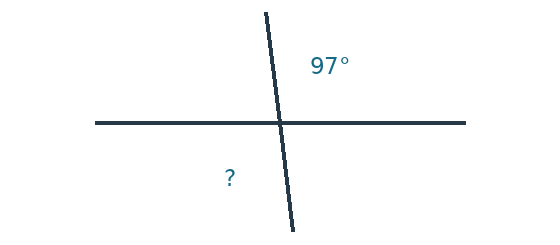
91. Two lines intersect. One angle is 97°. Find the vertically opposite angle in degrees.
A 90 B 97 C 83 D 263
Answer: B) 97
92. Two lines intersect. One angle is 118°. Find the vertically opposite angle in degrees.
A 118 B 62 C 90 D 242
Answer: A) 118
93. Two lines intersect. One angle is 147°. Find the vertically opposite angle in degrees.
A 147 B 33 C 213 D 90
Answer: A) 147
94. Two lines intersect. One angle is 105°. Find the vertically opposite angle in degrees.
A 75 B 255 C 90 D 105
Answer: D) 105
95. Two lines intersect. One angle is 131°. Find the vertically opposite angle in degrees.
A 229 B 90 C 131 D 49
Answer: C) 131
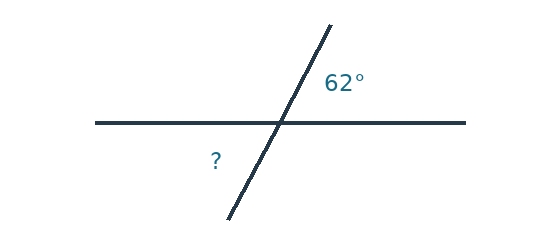
96. Two lines intersect. One angle is 62°. Find the vertically opposite angle in degrees.
A 118 B 62 C 90 D 298
Answer: B) 62
97. Two lines intersect. One angle is 122°. Find the vertically opposite angle in degrees.
A 122 B 58 C 238 D 90
Answer: A) 122
98. Two lines intersect. One angle is 75°. Find the vertically opposite angle in degrees.
A 105 B 285 C 90 D 75
Answer: D) 75
99. Two lines intersect. One angle is 27°. Find the vertically opposite angle in degrees.
A 27 B 90 C 153 D 333
Answer: A) 27
100. Two lines intersect. One angle is 151°. Find the vertically opposite angle in degrees.
A 29 B 209 C 90 D 151
Answer: D) 151
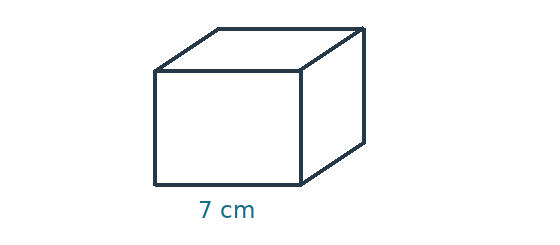
101. A cube has edge 7 cm. Find its volume (cm³).
A 294 B 84 C 49 D 343
Answer: D) 343
102. A cube has edge 8 cm. Find its volume (cm³).
A 64 B 96 C 384 D 512
Answer: D) 512
103. A cube has edge 6 cm. Find its volume (cm³).
A 36 B 72 C 216 D 243
Answer: C) 216
104. A cube has edge 4 cm. Find its volume (cm³).
A 48 B 64 C 96 D 16
Answer: B) 64
105. A cube has edge 12 cm. Find its volume (cm³).
A 1728 B 864 C 1944 D 144
Answer: A) 1728
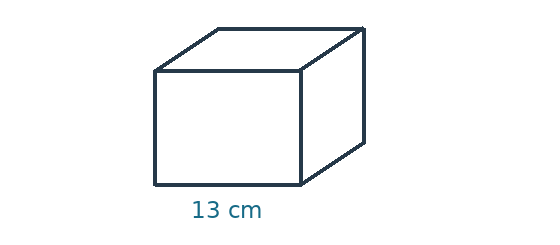
106. A cube has edge 13 cm. Find its volume (cm³).
A 156 B 2197 C 1014 D 169
Answer: B) 2197
107. A cube has edge 17 cm. Find its volume (cm³).
A 1734 B 4913 C 204 D 289
Answer: B) 4913
108. A cube has edge 14 cm. Find its volume (cm³).
A 168 B 196 C 2744 D 1176
Answer: C) 2744
109. A cube has edge 16 cm. Find its volume (cm³).
A 1536 B 256 C 192 D 4096
Answer: D) 4096
110. A cube has edge 11 cm. Find its volume (cm³).
A 726 B 121 C 1331 D 132
Answer: C) 1331
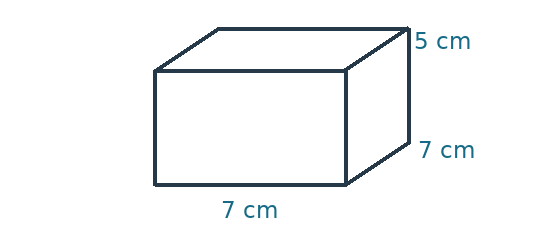
111. A cuboid measures 7 cm × 5 cm × 7 cm. Find its volume (cm³).
A 245 B 35 C 238 D 19
Answer: A) 245
112. A cuboid measures 9 cm × 4 cm × 7 cm. Find its volume (cm³).
A 36 B 254 C 252 D 20
Answer: C) 252
113. A cuboid measures 18 cm × 9 cm × 13 cm. Find its volume (cm³).
A 40 B 162 C 2106 D 1026
Answer: C) 2106
114. A cuboid measures 6 cm × 4 cm × 6 cm. Find its volume (cm³).
A 24 B 144 C 168 D 16
Answer: B) 144
115. A cuboid measures 7 cm × 3 cm × 14 cm. Find its volume (cm³).
A 21 B 294 C 322 D 24
Answer: B) 294
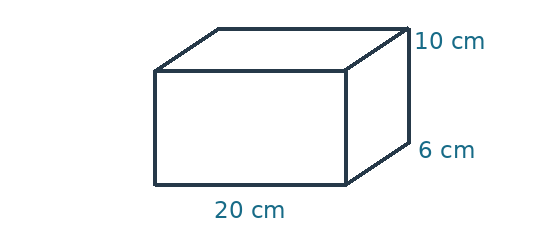
116. A cuboid measures 20 cm × 10 cm × 6 cm. Find its volume (cm³).
A 1200 B 36 C 760 D 200
Answer: A) 1200
117. A cuboid measures 16 cm × 6 cm × 9 cm. Find its volume (cm³).
A 31 B 864 C 588 D 96
Answer: B) 864
118. A cuboid measures 10 cm × 3 cm × 9 cm. Find its volume (cm³).
A 30 B 294 C 270 D 22
Answer: C) 270
119. A cuboid measures 7 cm × 3 cm × 8 cm. Find its volume (cm³).
A 18 B 21 C 168 D 202
Answer: C) 168
120. A cuboid measures 11 cm × 8 cm × 8 cm. Find its volume (cm³).
A 88 B 480 C 704 D 27
Answer: C) 704
121. A cube has edge 10 cm. Find its total surface area (cm²).
A 600 B 1000 C 120 D 400
Answer: A) 600
122. A cube has edge 13 cm. Find its total surface area (cm²).
A 2197 B 156 C 676 D 1014
Answer: D) 1014
123. A cube has edge 18 cm. Find its total surface area (cm²).
A 5832 B 1296 C 1944 D 216
Answer: C) 1944
124. A cube has edge 8 cm. Find its total surface area (cm²).
A 384 B 256 C 512 D 96
Answer: A) 384
125. A cube has edge 11 cm. Find its total surface area (cm²).
A 1331 B 484 C 132 D 726
Answer: D) 726
126. A cube has edge 17 cm. Find its total surface area (cm²).
A 1156 B 1734 C 4913 D 204
Answer: B) 1734
127. A cube has edge 15 cm. Find its total surface area (cm²).
A 180 B 900 C 3375 D 1350
Answer: D) 1350
128. A cube has edge 6 cm. Find its total surface area (cm²).
A 72 B 144 C 216 D 243
Answer: C) 216
129. A cube has edge 4 cm. Find its total surface area (cm²).
A 96 B 48 C 108 D 64
Answer: A) 96
130. A cube has edge 12 cm. Find its total surface area (cm²).
A 144 B 1728 C 576 D 864
Answer: D) 864
131. Find the sum of the interior angles of a polygon with 12 sides (degrees).
A 2160 B 1800 C 1980 D 360
Answer: B) 1800
132. Find the sum of the interior angles of a polygon with 8 sides (degrees).
A 1260 B 360 C 1440 D 1080
Answer: D) 1080
133. Find the sum of the interior angles of a polygon with 11 sides (degrees).
A 360 B 1980 C 1620 D 1800
Answer: C) 1620
134. Find the sum of the interior angles of a polygon with 13 sides (degrees).
A 360 B 2340 C 2160 D 1980
Answer: D) 1980
135. Find the sum of the interior angles of a polygon with 6 sides (degrees).
A 900 B 1080 C 360 D 720
Answer: D) 720
136. Find the sum of the interior angles of a polygon with 16 sides (degrees).
A 2520 B 360 C 2700 D 2880
Answer: A) 2520
137. Find the sum of the interior angles of a polygon with 15 sides (degrees).
A 2340 B 2700 C 360 D 2520
Answer: A) 2340
138. Find the sum of the interior angles of a polygon with 18 sides (degrees).
A 3240 B 2880 C 3060 D 360
Answer: B) 2880
139. Find the sum of the interior angles of a polygon with 5 sides (degrees).
A 540 B 720 C 360 D 900
Answer: A) 540
140. Find the sum of the interior angles of a polygon with 14 sides (degrees).
A 2340 B 360 C 2520 D 2160
Answer: D) 2160
141. Find each exterior angle of a regular 18-sided polygon (degrees).
A 18 B 10 C 160 D 20
Answer: D) 20
142. Find each exterior angle of a regular 30-sided polygon (degrees).
A 30 B 12 C 168 D 6
Answer: B) 12
143. Find each exterior angle of a regular 15-sided polygon (degrees).
A 24 B 12 C 156 D 15
Answer: A) 24
144. Find each exterior angle of a regular 10-sided polygon (degrees).
A 10 B 144 C 36 D 18
Answer: C) 36
145. Find each exterior angle of a regular 12-sided polygon (degrees).
A 30 B 150 C 15 D 12
Answer: A) 30
146. Find each exterior angle of a regular 6-sided polygon (degrees).
A 30 B 6 C 60 D 120
Answer: C) 60
147. Find each exterior angle of a regular 9-sided polygon (degrees).
A 9 B 20 C 140 D 40
Answer: D) 40
148. Find each exterior angle of a regular 36-sided polygon (degrees).
A 5 B 170 C 10 D 36
Answer: C) 10
149. Find each exterior angle of a regular 8-sided polygon (degrees).
A 135 B 45/2 C 8 D 45
Answer: D) 45
150. Find each exterior angle of a regular 24-sided polygon (degrees).
A 165 B 15/2 C 24 D 15
Answer: D) 15
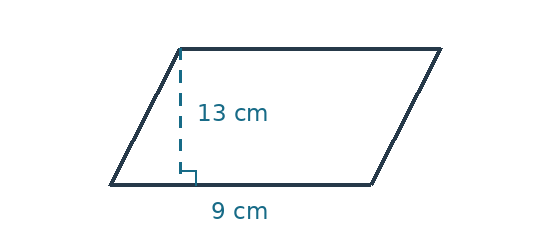
151. A parallelogram has base 9 cm and perpendicular height 13 cm. Find its area (cm²).
A 44 B 117/2 C 117 D 22
Answer: C) 117
152. A parallelogram has base 14 cm and perpendicular height 14 cm. Find its area (cm²).
A 196 B 28 C 98 D 56
Answer: A) 196
153. A parallelogram has base 7 cm and perpendicular height 13 cm. Find its area (cm²).
A 91 B 40 C 20 D 91/2
Answer: A) 91
154. A parallelogram has base 18 cm and perpendicular height 9 cm. Find its area (cm²).
A 81 B 54 C 27 D 162
Answer: D) 162
155. A parallelogram has base 11 cm and perpendicular height 17 cm. Find its area (cm²).
A 187 B 56 C 28 D 187/2
Answer: A) 187
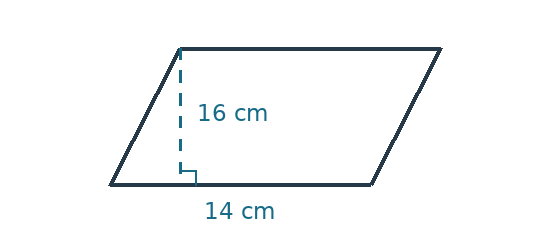
156. A parallelogram has base 14 cm and perpendicular height 16 cm. Find its area (cm²).
A 112 B 224 C 60 D 30
Answer: B) 224
157. A parallelogram has base 18 cm and perpendicular height 11 cm. Find its area (cm²).
A 29 B 198 C 58 D 99
Answer: B) 198
158. A parallelogram has base 10 cm and perpendicular height 13 cm. Find its area (cm²).
A 65 B 46 C 23 D 130
Answer: D) 130
159. A parallelogram has base 6 cm and perpendicular height 15 cm. Find its area (cm²).
A 90 B 21 C 42 D 45
Answer: A) 90
160. A parallelogram has base 11 cm and perpendicular height 15 cm. Find its area (cm²).
A 52 B 26 C 165 D 165/2
Answer: C) 165
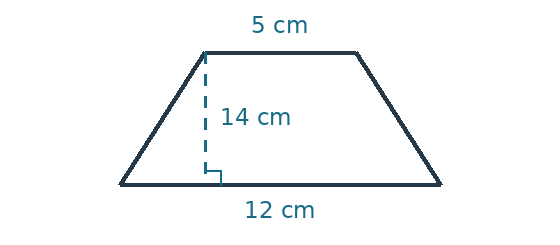
161. A trapezium has parallel sides 5 cm and 12 cm and height 14 cm. Find its area (cm²).
A 49 B 119 C 60 D 238
Answer: B) 119
162. A trapezium has parallel sides 8 cm and 10 cm and height 34 cm. Find its area (cm²).
A 34 B 612 C 306 D 80
Answer: C) 306
163. A trapezium has parallel sides 6 cm and 9 cm and height 36 cm. Find its area (cm²).
A 270 B 540 C 304 D 54
Answer: A) 270
164. A trapezium has parallel sides 8 cm and 16 cm and height 24 cm. Find its area (cm²).
A 576 B 96 C 288 D 128
Answer: C) 288
165. A trapezium has parallel sides 4 cm and 7 cm and height 34 cm. Find its area (cm²).
A 28 B 51 C 374 D 187
Answer: D) 187
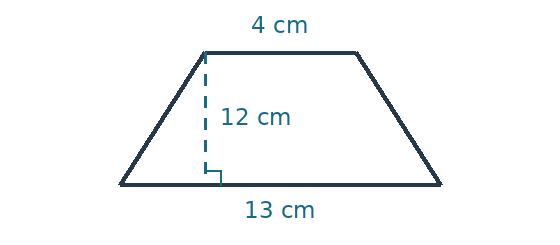
166. A trapezium has parallel sides 4 cm and 13 cm and height 12 cm. Find its area (cm²).
A 102 B 204 C 54 D 52
Answer: A) 102
167. A trapezium has parallel sides 3 cm and 9 cm and height 14 cm. Find its area (cm²).
A 42 B 27 C 84 D 168
Answer: C) 84
168. A trapezium has parallel sides 5 cm and 13 cm and height 34 cm. Find its area (cm²).
A 612 B 136 C 65 D 306
Answer: D) 306
169. A trapezium has parallel sides 10 cm and 16 cm and height 16 cm. Find its area (cm²).
A 208 B 416 C 48 D 160
Answer: A) 208
170. A trapezium has parallel sides 6 cm and 16 cm and height 26 cm. Find its area (cm²).
A 572 B 286 C 96 D 130
Answer: B) 286
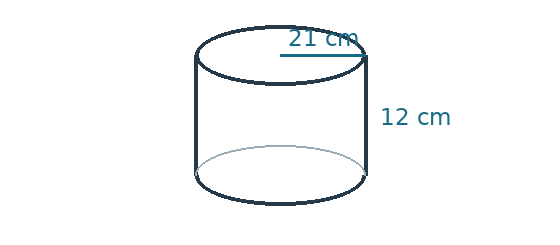
171. A cylinder has radius 21 cm and height 12 cm. Find its volume (cm³). Use π = 22/7.
A 1386 B 1584 C 5544 D 16632
Answer: D) 16632
172. A cylinder has radius 112 cm and height 6 cm. Find its volume (cm³). Use π = 22/7.
A 39424 B 236544 C 4224 D 14784
Answer: B) 236544
173. A cylinder has radius 42 cm and height 7 cm. Find its volume (cm³). Use π = 22/7.
A 6468 B 1848 C 38808 D 5544
Answer: C) 38808
174. A cylinder has radius 105 cm and height 13 cm. Find its volume (cm³). Use π = 22/7.
A 450450 B 34650 C 8580 D 30030
Answer: A) 450450
175. A cylinder has radius 14 cm and height 5 cm. Find its volume (cm³). Use π = 22/7.
A 440 B 1540 C 616 D 3080
Answer: D) 3080
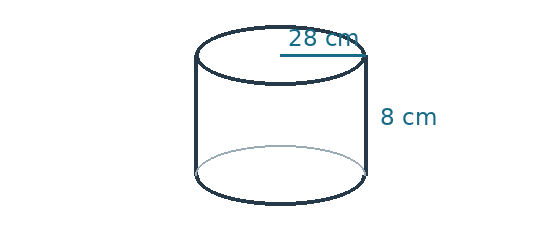
176. A cylinder has radius 28 cm and height 8 cm. Find its volume (cm³). Use π = 22/7.
A 2464 B 1408 C 19712 D 4928
Answer: C) 19712
177. A cylinder has radius 84 cm and height 12 cm. Find its volume (cm³). Use π = 22/7.
A 22176 B 299376 C 266112 D 6336
Answer: C) 266112
178. A cylinder has radius 77 cm and height 15 cm. Find its volume (cm³). Use π = 22/7.
A 7260 B 18634 C 25410 D 279510
Answer: D) 279510
179. A cylinder has radius 35 cm and height 12 cm. Find its volume (cm³). Use π = 22/7.
A 46200 B 3850 C 9240 D 2640
Answer: A) 46200
180. A cylinder has radius 105 cm and height 8 cm. Find its volume (cm³). Use π = 22/7.
A 5280 B 34650 C 18480 D 277200
Answer: D) 277200
181. Find the distance between points (5, 6) and (38, 50) in coordinate units.
A 55 B 77 C 11 D 132
Answer: A) 55
182. Find the distance between points (11, 6) and (17, 14) in coordinate units.
A 14 B 10 C 2 D 24
Answer: B) 10
183. Find the distance between points (7, 7) and (40, 51) in coordinate units.
A 11 B 55 C 77 D 132
Answer: B) 55
184. Find the distance between points (11, 12) and (20, 24) in coordinate units.
A 3 B 15 C 21 D 36
Answer: B) 15
185. Find the distance between points (2, 6) and (17, 26) in coordinate units.
A 25 B 60 C 5 D 35
Answer: A) 25
186. Find the distance between points (3, 3) and (24, 31) in coordinate units.
A 35 B 7 C 84 D 49
Answer: A) 35
187. Find the distance between points (3, 7) and (9, 15) in coordinate units.
A 14 B 10 C 24 D 2
Answer: B) 10
188. Find the distance between points (10, 10) and (28, 34) in coordinate units.
A 6 B 42 C 30 D 72
Answer: C) 30
189. Find the distance between points (10, 3) and (28, 27) in coordinate units.
A 6 B 72 C 30 D 42
Answer: C) 30
190. Find the distance between points (9, 9) and (33, 41) in coordinate units.
A 40 B 96 C 56 D 8
Answer: A) 40
191. Find the midpoint of (3, 12) and (11, 24).
A (11, 24) B (7, 18) C (11, 18) D (4, 6)
Answer: B) (7, 18)
192. Find the midpoint of (4, 10) and (26, 28).
A (15, 19) B (11, 9) C (26, 28) D (26, 19)
Answer: A) (15, 19)
193. Find the midpoint of (2, 5) and (26, 35).
A (26, 35) B (26, 20) C (14, 20) D (12, 15)
Answer: C) (14, 20)
194. Find the midpoint of (10, 8) and (20, 16).
A (20, 16) B (15, 12) C (20, 12) D (5, 4)
Answer: B) (15, 12)
195. Find the midpoint of (11, 3) and (17, 29).
A (3, 13) B (17, 29) C (17, 16) D (14, 16)
Answer: D) (14, 16)
196. Find the midpoint of (3, 9) and (23, 33).
A (10, 12) B (23, 21) C (23, 33) D (13, 21)
Answer: D) (13, 21)
197. Find the midpoint of (11, 8) and (23, 34).
A (23, 21) B (23, 34) C (6, 13) D (17, 21)
Answer: D) (17, 21)
198. Find the midpoint of (11, 5) and (33, 17).
A (11, 6) B (33, 17) C (33, 11) D (22, 11)
Answer: D) (22, 11)
199. Find the midpoint of (7, 8) and (21, 28).
A (7, 10) B (14, 18) C (21, 18) D (21, 28)
Answer: B) (14, 18)
200. Find the midpoint of (4, 8) and (24, 36).
A (14, 22) B (24, 36) C (24, 22) D (10, 14)
Answer: A) (14, 22)